Playful inspiration from David Hockney
My professor made us draw the same trees for months. Not to become better drawers. To learn how to see.
At first, it felt easy, even amusing. But after a few weeks, it became challenging. How on earth can you draw a tree differently every single time? And what do you actually learn from drawing what you see around you every day? Why not draw something more “fancy”? At the time, I was simply relieved when the class ended. Looking back, I now see it was a lesson in mindful observation.
By mindful observation, I mean looking at the world with the sense of wonder of a two-year-old. When a young child discovers the world, everything feels magical. They want to see everything, touch everything, smell it – even taste it. There is one essential condition: slowing down. You cannot discover the magic around you when you are rushing. (Which is slightly inconvenient in a world that rewards speed, efficiency, and full calendars.)
Slow down. Take a breath. Tune into your senses. What do you see? What do you hear? What do you smell? This combination of slowing down and observing with curiosity is what fuels creative thinking.
A wonderful example of this is David Hockney. He created thousands of drawings on his iPhone, often from his bed, with nothing more than a window view. He didn’t even get up or dramatically change his surroundings. He simply observed and drew, first on his iPhone with his thumb, later on an iPad as soon as it became available. And yet, each drawing stands as a piece of art in its own right. You recognize the subject, but the variation and freshness in each piece are remarkable.
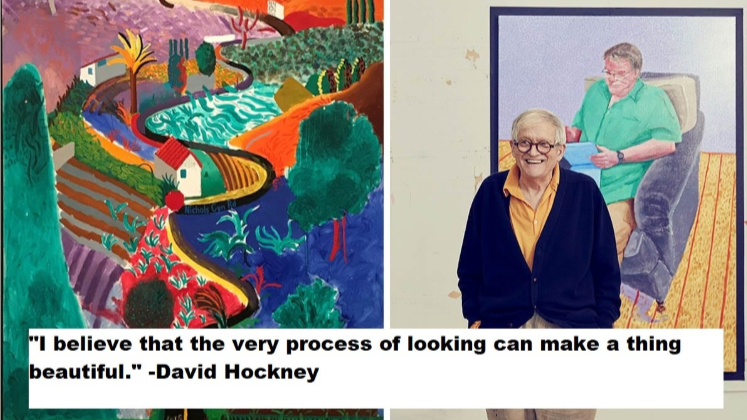
The lesson for the corporate world is clear: we tend to default to well-trodden paths far too quickly. How often do we truly challenge ourselves to look deeper? To explore a different angle? (Not in a workshop. In real life.) Methods like those of Edward de Bono are widely known. But we can go further. What if we borrowed ways of working from entirely different industries and applied them to our own context?
A beautiful source of inspiration is the book Accidental Inventions by Birgit Krols. It showcases how unexpected discoveries – often the result of curiosity, mistakes, or simply looking differently – have led to meaningful innovations. Think of Post-it Notes, the microwave, penicillin – all discovered by someone who noticed something others would have overlooked. All of these innovations started with the same capability: someone noticed something others would have missed.
And that brings us back to the trees. Creativity does not always start with something new or extraordinary. Often, it begins with looking at the ordinary – again, and again, and again – until you truly see it.
Try this today (yes, even if your agenda is full)
On your way to work – or any route you take regularly – pause for a moment. Take a deep breath in and out, then deliberately tune into your senses: notice five things you see, notice what you hear, notice what you smell. Write it down. (No, your brain will not remember it later. Write it down.) If you want to go one step further, repeat this exercise every day for a week. You’ll start to notice things you’ve never seen before – even though they were always there.
Want to go one level deeper? (For the brave, or the slightly bored.)
Add a touch of David Hockney. Take a small sketchbook, look around you, and draw what you see. It doesn’t need to be good. In fact, it shouldn’t be. Give yourself just one minute. Do this every day. You might feel slightly uncomfortable. That’s usually a good sign. What changes is not your drawing skill – but how you see.
What did you notice today that you’ve been walking past for months?
-
The Power of Mindful Observation
Playful inspiration from David Hockney My professor made us draw the same trees for months.…
-
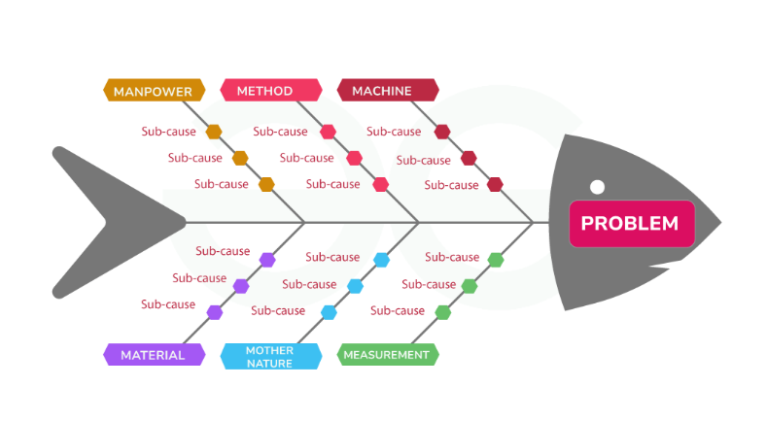
What Artists Know About Root Cause Analysis That Engineers Don’t
Using art-based techniques to develop flexible thinking under pressure Most professionals are trained to solve…
-
Why Smart People Sometimes Appear Less Creative
Many organizations are full of brilliant people. Highly analytical, strategically sharp and excellent problem solvers.…

Leave a Reply