Many organizations are full of brilliant people. Highly analytical, strategically sharp and excellent problem solvers.
And yet something interesting happens: when it comes to generating new ideas, artists, designers or musicians often appear more creative than highly educated knowledge workers.
Not because they are more intelligent. The explanation lies in how our brain works.
Creativity emerges from the interaction between two brain networks:
🧠 Default Mode Network (DMN) → imagination, associations, daydreaming
🧠 Executive Control Network (ECN) → analysis, focus, evaluation
The DMN generates possibilities. The ECN evaluates and structures them. Both are essential.
But here’s the paradox.
Many knowledge workers have a very strong control system. That’s exactly what makes them successful. But the same strength can also kill ideas before they have the chance to exist.
Artists often design their process differently. They deliberately create moments where control temporarily decreases:
• improvisation • experimentation • working with constraints
Jazz improvisation provides a fascinating example. Research on jazz musicians (Limb & Braun, 2008) shows that during improvisation self-critical brain activity decreases, allowing more spontaneous expression.
Creativity research suggests that highly creative people are better at switching flexibly between imagination and evaluation when the situation requires it.
And here lies the uncomfortable truth.
Organizations say they want creativity. But they reward control, certainty and immediate judgment. Which makes imagination harder.
So maybe the lesson from artists is simple.
Creativity is not about inspiration. It is about temporarily loosening control so imagination can work.
Or put differently.
Smart people are not less creative. They are often just too good at controlling their thinking.
So I’m curious.
👉 What helps you switch off control and let new ideas emerge?
One simple way to practice this is giving your brain short moments without control. I call them Creativity Snacks. 10 minutes a day where your mind is allowed to wander.
Curious? Subscribe for the 30-day Creativity Snacks challenge.
#Creativity #Innovation #CreativeThinking #Neuroscience #Leadership #DesignThinking #FutureOfWork
-
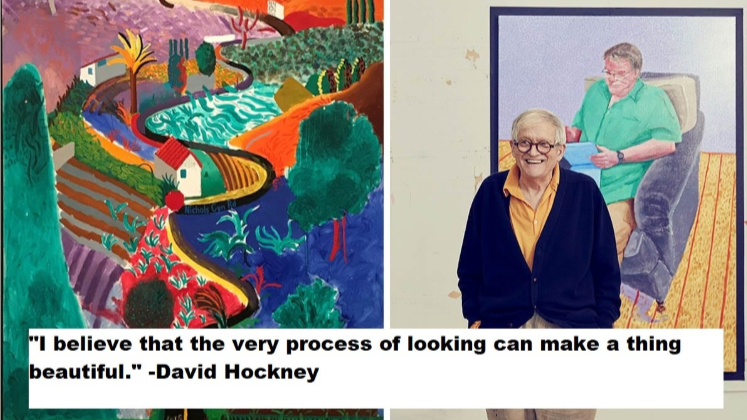
The Power of Mindful Observation
Playful inspiration from David Hockney My professor made us draw the same trees for months.…
-
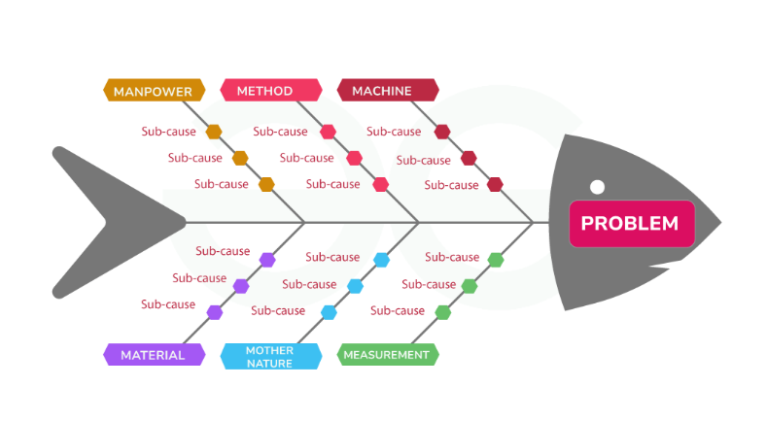
What Artists Know About Root Cause Analysis That Engineers Don’t
Using art-based techniques to develop flexible thinking under pressure Most professionals are trained to solve…
-
Why Smart People Sometimes Appear Less Creative
Many organizations are full of brilliant people. Highly analytical, strategically sharp and excellent problem solvers.…

Leave a Reply